For Offshore Wind Construction

Is it still safe to finish installing?

Advisory tool for tower fatigue during construction delays. Lower liability, faster validation.

SAFE 12 m/s VIV LOCK-IN 14 m/s SAFE TO LIFT NDT BOLTS
01

The Waiting Game

Weather delays aren't just schedule problems. They're structural damage events.

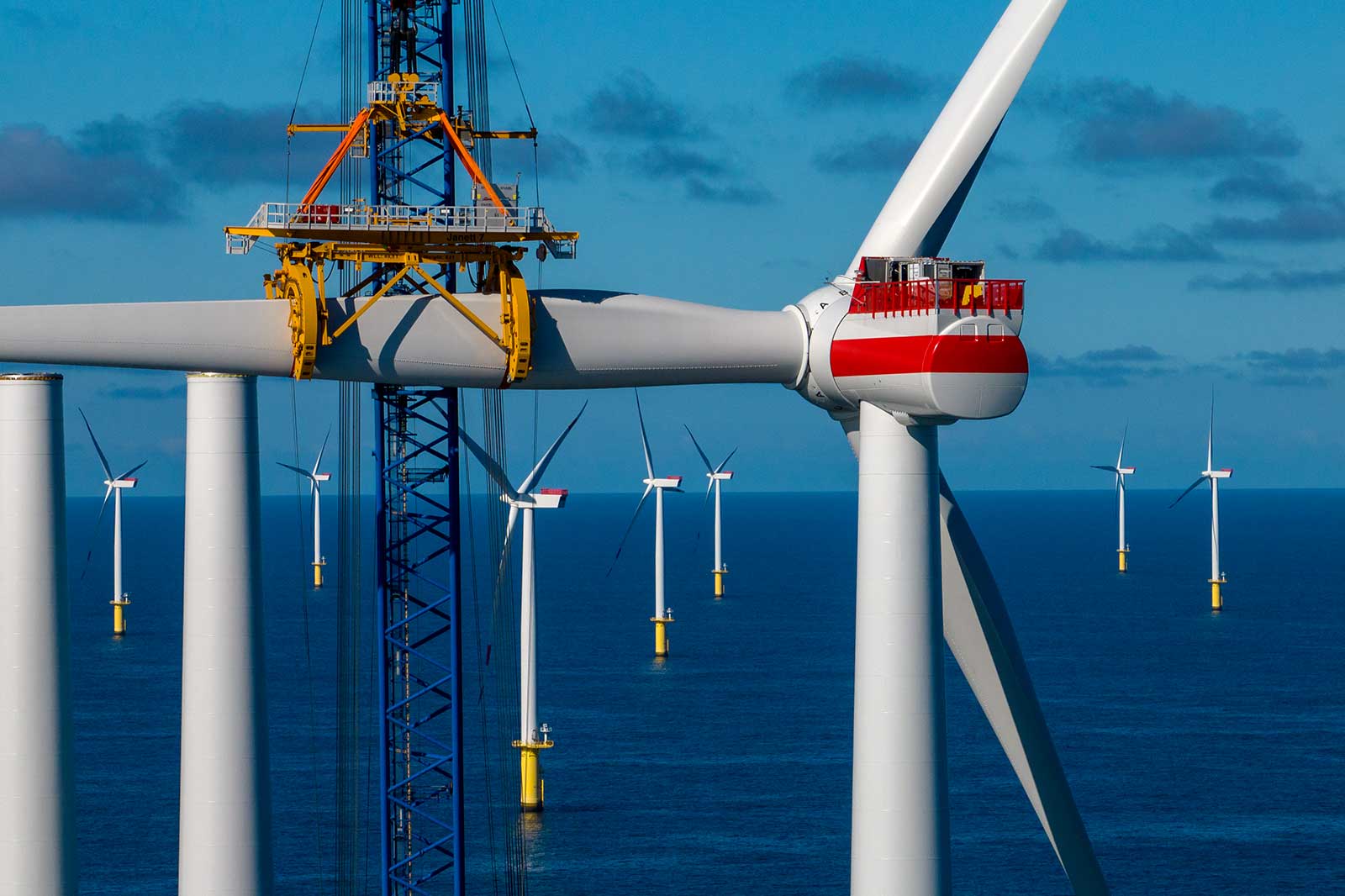
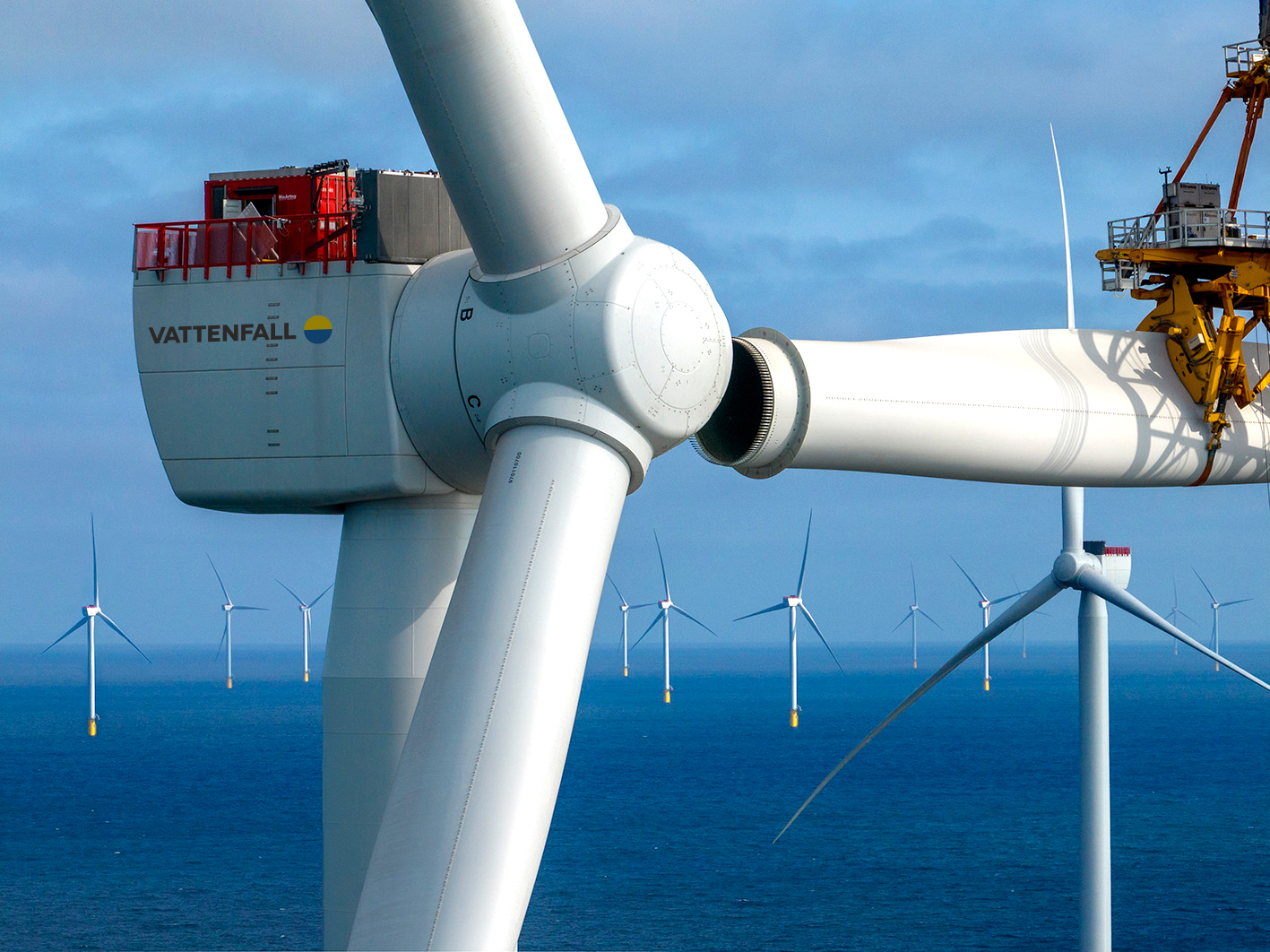
A partially erected tower sits naked in the ocean, swaying aimlessly for days. Nobody is measuring the accumulated fatigue.

The Invisible Problem

〰️

Fatigue Accumulation

Vortex shedding creates thousands of stress cycles per hour. Each cycle consumes a fraction of the tower's 25-year design life—before the turbine ever spins.

The Impossible Question

Installation engineers face: "Is it still safe to finish installing?" Visual inspection can't answer this. Right now, they're guessing.

Economic Risk

Average tower value: $9.5M. If structural damage is discovered post-installation, the options are expensive: emergency inspection, derating, or replacement.

⏱️

Weather Window Anxiety

Every delay day costs €50K+ (vessel standby, crew). But rushing to complete installation on a fatigued tower creates liability risk.

€50K+ cost per delay day (typical)
  • VIV lock-in can occur at moderate wind speeds (10-18 m/s)
  • Typical offshore delay: 72 hours (some extend to weeks)
  • Freestanding tower has <0.3% structural damping (vs. 5-8% when RNA installed)
  • One prolonged VIV event can consume 10-50% of bolt fatigue life before turbine ever spins

Forensic Incident Timeline

Construction phase failures reveal VIV as a silent threat. Three documented cases demonstrate the catastrophic consequences of undetected lock-in.

2015

Lemnhult, Sweden

Vestas V112-3.0 MW collapsed during pre-commissioning. Bolts torqued in wet conditions; friction coefficient altered, causing massive scatter in preload. VIV caused flange gapping; bolts failed in bending fatigue within hours. Total collapse.

Lesson: VIV doesn't need to be extreme if bolted joints are compromised.
2017

Germany

Tower buckled at 15m height. Blade imbalance created oscillations mimicking VIV. Plastic hinge formed at shell thickness transition. GMNIA analysis showed 40% buckling capacity reduction due to manufacturing imperfections.

Lesson: Thin-walled shells are imperfection-sensitive under dynamic loads.
2020s

Offshore Monopile VIV

"Waiting on Weather" fatigue accumulation. Monopiles left freestanding for months consumed 10-15% of fatigue budget before turbine operation began. No collapse, but asset started life degraded.

Lesson: Silent fatigue accumulation is the hidden cost of construction delays.

In every case, the failure mode was invisible until damage had accumulated. Visual inspection cannot detect VIV lock-in or quantify fatigue consumption.

02

The Advisory System

Not a sensor. A referee.

Gives installation engineers the data they don't have: "Fatigue consumed: 8.2%. Safe to proceed."

Advisory Role

Not Life-Safety Critical

We provide recommendations. Engineers make the final call. Lower liability exposure than real-time crane operator tools.

30 Seconds

Zero-Config Deployment

Magnetic mount. No tower access, no electrical hookup. Auto-calibrates to tower geometry. Battery: 6 weeks continuous.

Certified

IEC 61400-6 Compliance

Onboard Rainflow counting. Outputs: "Fatigue Life Consumed: 0.4%". Digital handover certificate for insurance.

IP67

All-Environment Rated

-20°C to +60°C. Marine-grade enclosure for offshore, ruggedized for onshore. No network required (LoRaWAN optional).

Contact Us for Pilot

Interested in deploying our tower fatigue advisory system? Get in touch to discuss pilot opportunities.

Contact Us

Include: Project name & location, tower height/turbine model, offshore or onshore, installation timeline.

The Installation Window

Day 1-3
Tower sections erected
Day 4-10
⚠️ VIV VULNERABILITY WINDOW ⚠️
Weather hunting, crane standby costs mounting
Day 11
Nacelle mating (requires <50mm displacement)
Day 12+
RNA installed → VIV risk eliminated

Stratum sensor deployed Day 1, monitors through Day 11, provides objective fatigue assessment for go/no-go decisions.